0
- No products in the cart.
0
- No products in the cart.
0
- No products in the cart.
Jenny Scheinman
One Hundred Years Today
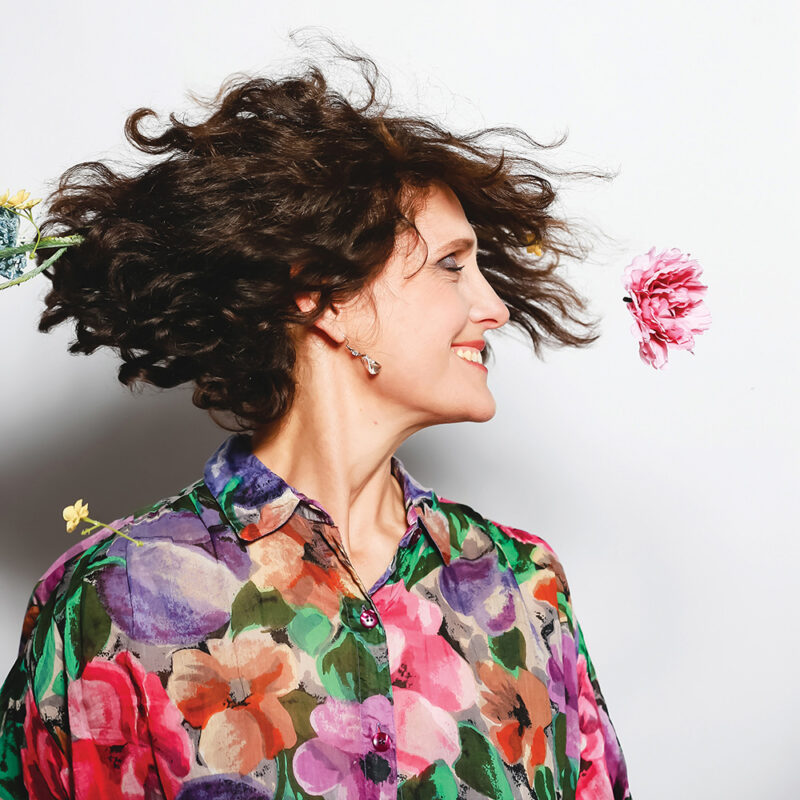
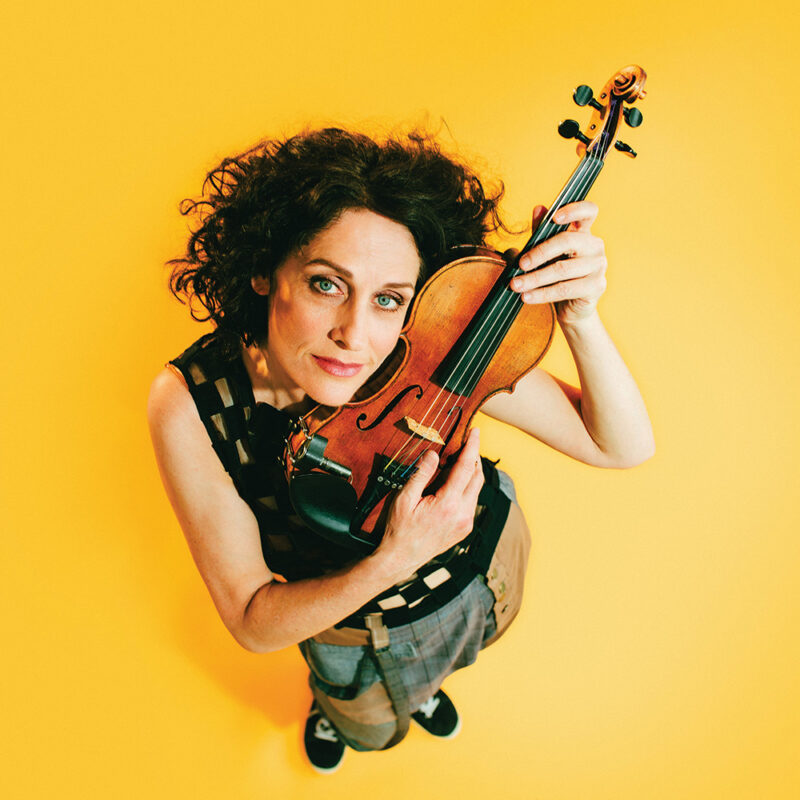
Early in the recording of her evocative new album, One Hundred Years Today, violinist and composer Jenny Scheinman turned to her band in the studio and exclaimed, “More apocalyptic! This is end-of-times jazz!” She had reconvened the superb, sensitively attuned ensemble first heard on her 2024 album All Species Parade: guitarists Bill Frisell and Julian Lage, pianist Carmen Staaf, bassist Tony Scherr, and drummer Kenny Wollesen. With seven new compositions in hand, largely inspired by her Palestinian Jewish grandmother’s travels through Europe a century ago, Scheinman and company were exploring emotional parallels between the years leading up to World War II and the present moment. She imagined the music flowing like a secret code passed between generations, a means of creating connection in times of upheaval.
“The phrase One Hundred Years Today is really another way of saying eternity,” Scheinman says. “Every song is like a message in a bottle to a future generation, and at the same time the opening of a message from 100 years before.”
It was the recent discovery of a treasure trove of postcards that provided the conceptual spark for One Hundred Years Today. Scheinman’s grandmother, an aspiring pianist who studied music at the Royal Conservatory in London, eloped from Palestine in 1926 with Scheinman’s grandfather, a young violinist she had met on a boat while returning from music school. He was paying his passage by performing in the ship’s orchestra. The couple spent a decade traveling throughout Europe, playing music, and rubbing elbows with other artists on the underground scene. The postcards, penned by musician friends during their travels across Europe, the Middle East, and North Africa between 1926 and 1937, revealed a network of young artists who maintained connections in the face of rapid change, instability, and rising authoritarianism. Scheinman found poetic solace in the ways music and creativity offered a lifeline of hope, and even a means of organized resistance. “In times of struggle, it’s more important than ever to continue making music and art,” Scheinman explains. “It brings joy to the world, but can also let the powers that be know we are listening, and bearing witness.”
Another tactile link between Scheinman and her grandmother came through the compositional process, as much of the music was written on her piano, bequeathed to Scheinman after she passed.
The story of Scheinman’s grandparents is woven throughout One Hundred Years Today in a loose suite, beginning with the wistful “Stars of the Lower Deck,” which depicts their shipboard romance with sensations of tenderness and boundless longing. Lage is featured here, his clean and flowing acoustic guitar lines reflecting the promise of two young lovers with their lives ahead of them. “Alive at the Kakadu,” replete with buoyant uptempo swing, is named after the Weimar Republic–era Berlin bar where Scheinman likes to imagine her grandmother encountering subversive, unbridled music and theater. “My grandmother, then still a simple country girl from a village outside Jerusalem, would surely have had her mind blown,” says Scheinman. “Like her, I grew up on a rural homestead in Northern California, and my first experience with big-city nightlife, in Mexico City, was life-changing.” “The Edge of Dawn” concludes the suite with the first forebodings of something more sinister looming on the horizon. “At some point it became clear to my grandparents that the dangers in Europe outweighed the opportunities, and they returned to my grandfather’s family home in Brooklyn,” recounts Scheinman. “The dawn of WWII was breaking, and the life they had been living was no longer tenable. This song conjures the looming danger.”
Author James McBride captured a sense of history’s cyclical nature in his novel Song Yet Sung, in which runaway slaves communicate via a cryptic code. Scheinman kept a passage from the novel hanging on her wall as she composed One Hundred Years Today: “Chance is an instrument of God and the coach wrench turns the wagon wheel.” The spirit of these words is vividly captured in the ardent groove of “Turns the Wagon Wheel,” which opens the album with extensive improvisation. It allows the entire band to stretch out, most notably Frisell who adds a subtle underpinning of nuanced funk. “Music has long been a medium for the transfer of codes, and as such it is part of our survival story,” says Scheinman. “There are many codes on this record, but perhaps the most prominent is the four repeated eighth notes on the bass line here, which play throughout, contextualizing the haunting melodies, and anchoring Bill’s guitar. If their heartbeat-like pattern is transmitting a message, it is that we are alive, and we are listening.”
“Django In America” pays tribute to the inventive genius of Django Reinhardt, a contemporary of her grandmother whose “wild, expressive, and risky” approach Scheinman gained a deep appreciation for while playing his music to pay her way through college—a rite of passage for many a jazz violinist. “If I have a criticism of Django’s legacy, it is that there aren’t enough bands that honor his wild side,” says Scheinman. “His repertoire has been codified by virtuosos who follow more rules than wrongs. I see Django as a breaker of rules and a beacon of freedom during a time of authoritarianism. I think this performance captures that spirit.”
The band pares down to the trio of Scheinman, Frisell and Lage for the ethereal and elegant “Dream Beguine.” Lage and Frisell weave a magic nest for Scheinman’s violin to sing from. The title is a nod to Cole Porter’s “Begin The Beguine,” while the subtle Caribbean feel suggests a land of peace and plenty at a time of stress and scarcity.
Closing the album is the love song, “So Many Moons,” with a melody that Scheinman calls “a lyric of gratitude,” dedicated to the late producer Hal Willner whose parents escaped the Nazi concentration camps. The late, beloved record producer was an exemplar of borderless imagination, and his fearless spirit lives on in Scheinman’s genre-fluid music.
Alongside the aforementioned McBride quote, Scheinman also hung another by Linda Ronstadt expressing why humans make music. It ends with the thought: “They sing so the subsequent generations won’t forget what the current generation endured, or dreamed, or delighted in.” Indeed, like a message in a bottle washed ashore, One Hundred Years Today exults in humanity’s eternal need to dream, delight and, ultimately, endure.
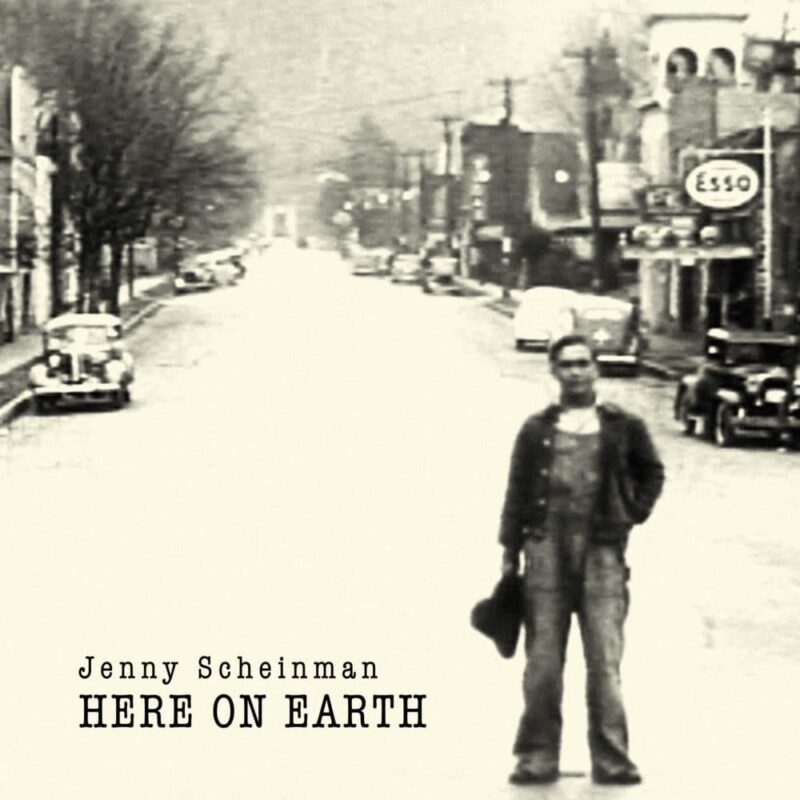
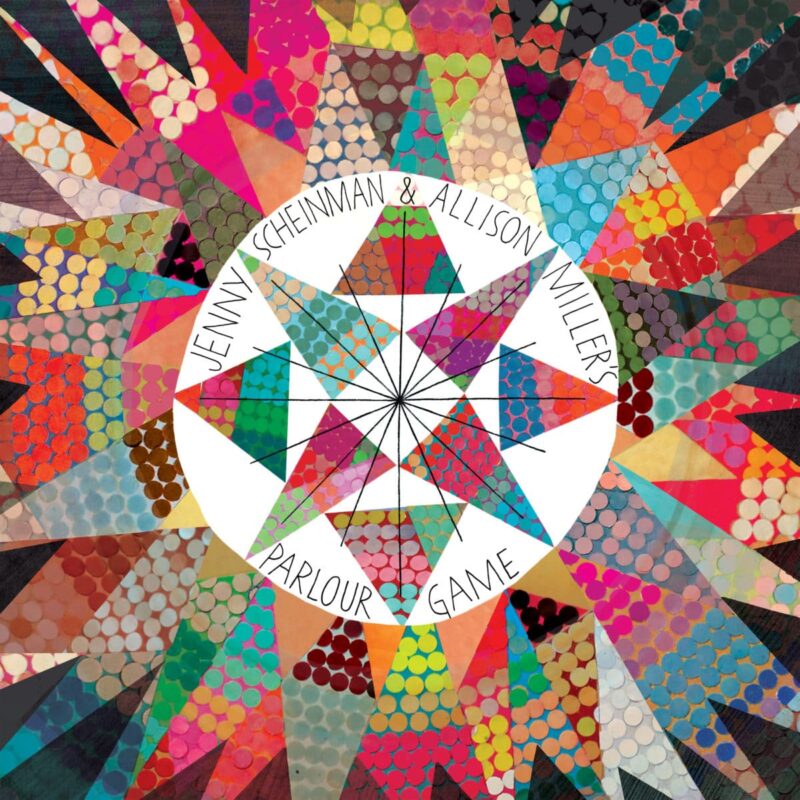
Scheinman, voted Violinist of the Year in the 2026 DownBeat Critics Poll, has collaborated with a cohort of stunningly inventive musicians over a two decade career. In addition to the members of her all-star band on One Hundred Years Today, she’s played alongside the likes of Jason Moran, Brian Blade, Jeff Parker and Nels Cline. Her previous album, All Species Parade, was preceded by acclaimed recordings like Here on Earth, which collects songs written for the documentary Kannapolis: A Moving Portrait; The Littlest Prisoner, a trio outing with Frisell and Blade; and Parlour Game, a co-led collaboration with drummer Allison Miller. She has also toured and recorded with songwriting legends such as Lucinda Williams, Bruce Cockburn, Robbie Fulks, Rodney Crowell, Lou Reed, Ani DiFranco and Joni Mitchell. She is featured on the original cast recording of Anais Mitchell’s hit musical Hadestown and has written the scores for several feature films.
Hi-Res Images
 © Kory Thibeault
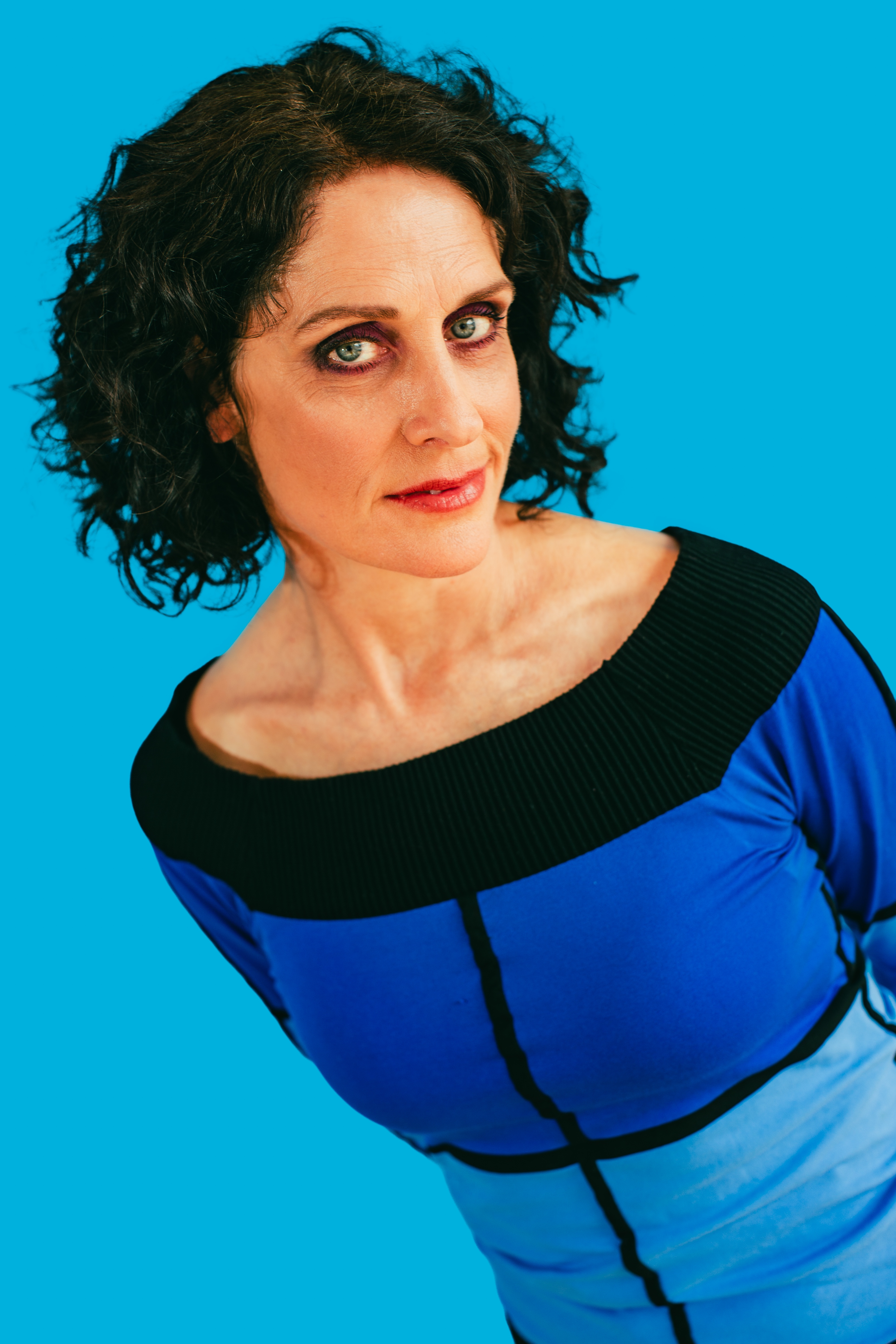 © Kory Thibeault
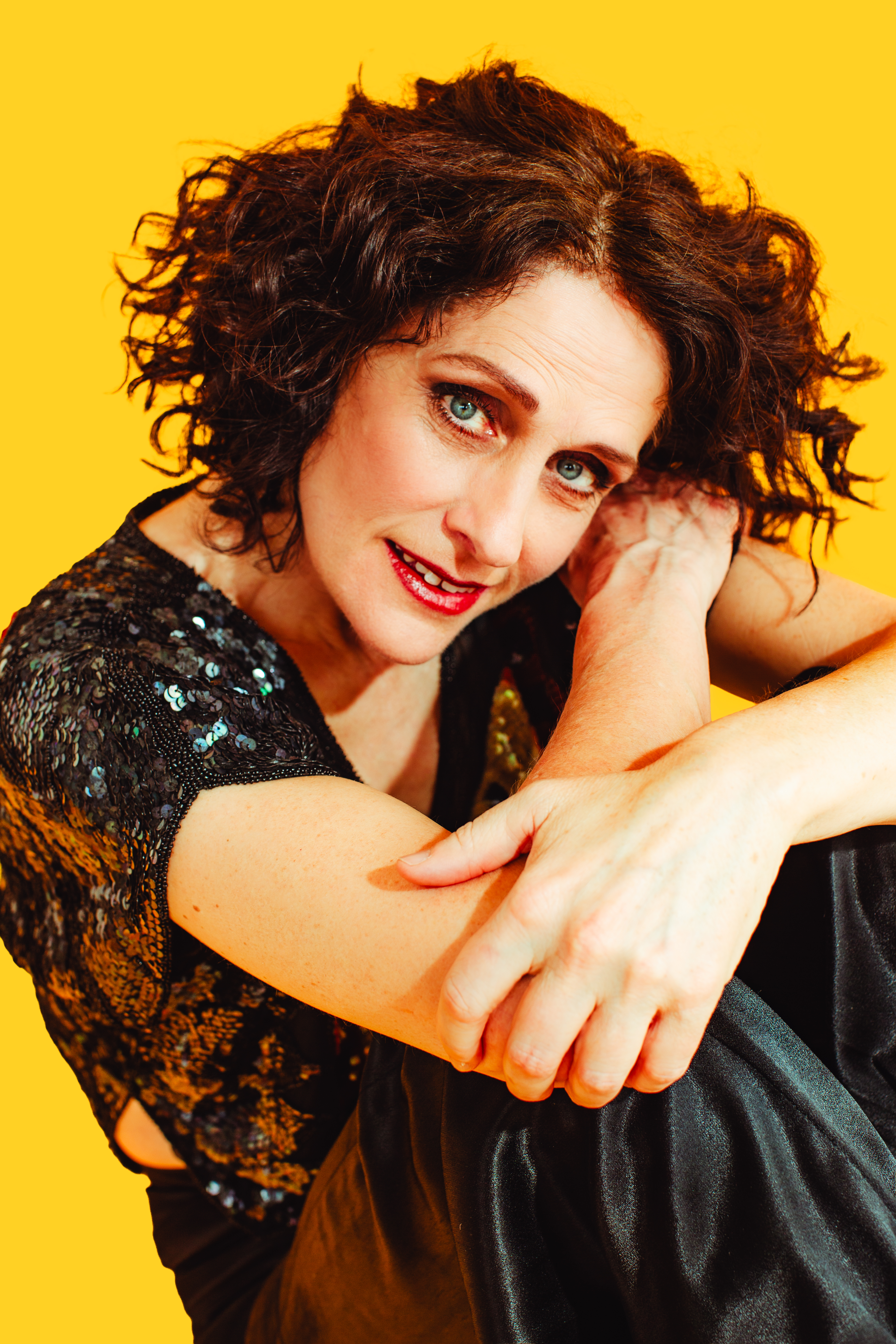 © Kory Thibeault
 © Cover Art
Releases
-
Jenny ScheinmanAll Species ParadePrice range: $20.00 through $80.00
-
Jenny ScheinmanHere on Earth$11.98
-
Jenny ScheinmanOne Hundred Years TodayPrice range: $15.00 through $25.00
-
Jenny Scheinman & Allison MillerParlour GamePrice range: $10.00 through $18.98